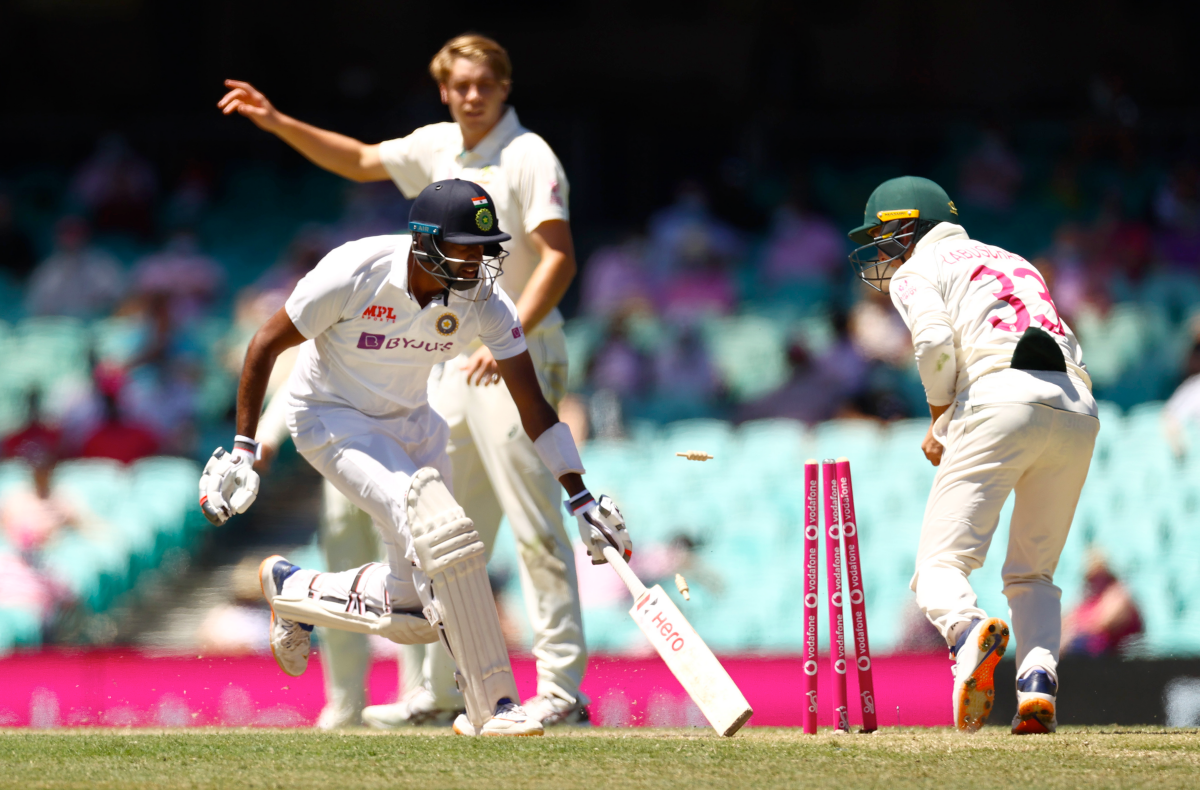
The run-out dismissals of 3 Indian batsmen in Sydney Cricket Ground raised several eye-brows in the cricketing world. It becomes a talking point when it is known that the last time this many run-outs, in Indian innings, occurred some 12 years back, against England in Mohali.
Over the past decade, the Indian team has undergone a tremendous change. Players like MS Dhoni, Virat Kohli, Suresh Raina, and Ravindra Jadeja brought a new dimension to running and fielding. Suddenly the Indian team began to be recognized among the best fielding sides in the world.
Critics started to talk more about the fascinating manner in which the Indian batsman stole runs from fielders. The game had changed as what looked like one run was now two. The batsmen laid more emphasis on taking those crucial quick singles which led to the scoreboard ticking – even good bowlers started to come under pressure.
However, cricket is a cruel sport!
If we turn the clock back, then there are two matches coming to my mind, both involving India and the West Indies, one of them was their contest in the 2014 T20 world cup, before which Raina had commented about the fitness of West Indies players and called them “bad runners“. It was well established when Chris Gayle was run-out in that match.
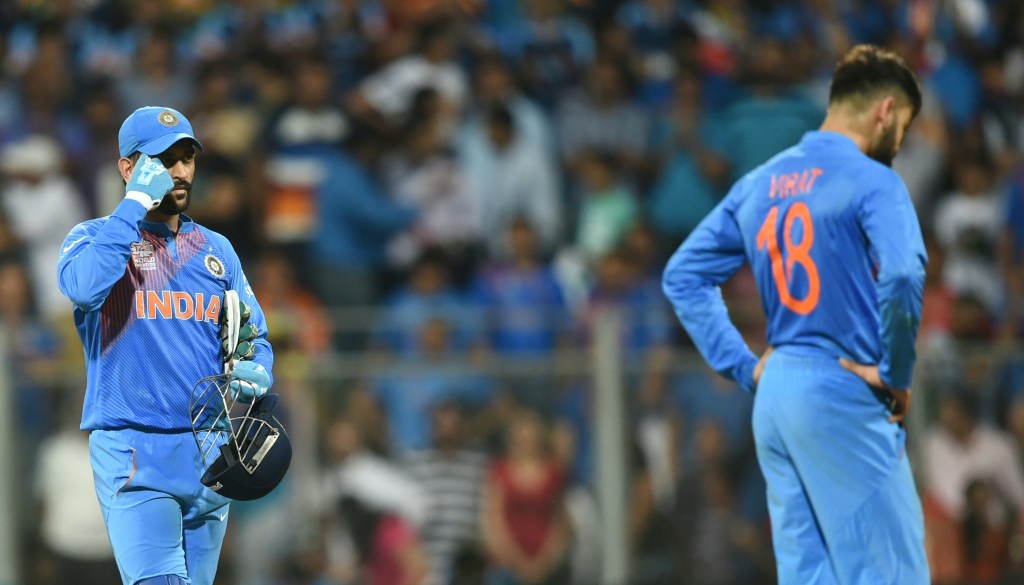
In the next edition of the world cup, the same teams met, this time for the semi-final. The hosts, India, batted first, and buoyed by their fitness abilities, the batsmen ran their hearts out. They looked like in the scheme of things, while the West Indian fielders looked tired. It seemed as if India dominated their batting innings. However, after the completion of allotted overs, the first inning score – of 192 – was suddenly looking to be chasable on a Wankhede pitch helped by the dew factor. India had scored just 48% runs in boundaries. West Indies banked on its strengths by relying more on hitting boundaries rather than running. The Carribeans cruised to victory by scoring a whopping 76% of its runs in fours and sixes.
The over-reliance on running between the wickets cost India the game – and also the world cup!
Now coming to the Sydney encounter, India’s run-out dismissals has raised several questions. On a pitch, where suddenly any delivery could become a wicket-taking ball and a set batsman could be dismissed, getting run-out is the last thing a batsman wants. Two of the run-outs occurred when Ravindra Jadeja was at the crease. The all-rounder has now been involved in a staggering 20 run-outs, out of which 13 times his partner had to walk back to the pavilion.
Jadeja, who had taken the cricketing world by storm after inflicting a direct hit to end Steven Smith’s knock just a day earlier, questions started to get raised on whether he had misjudged his partner’s running speed.
Ravi Ashwin was one of the two batsmen dismissed in an attempt to take a single. Jadeja should have known that Ashwin’s fitness capabilities are nowhere as compared to that of his. But frankly speaking, the culprit was Ashwin, whose fitness has been a talking point even on the field. This kind of dismissal not only robs the team of useful runs but also gives the bowling team much-needed motivation when nothing is working for them.
To put things in place, India should not become complacent by having just a few players with superior fitness in the team, or else it can lead to a catastrophe.
 Cow Corner
Stealing runs from fielder us an art, but when one’s pre determined mindset forces to do so, it becomes disastrous. In test cricket, one had all the time in the world to score. Moreover , field placement allows to rotate strike. Rush of things hence is meaningless. Both quick and slow runner can be the culprit. We have example in Jadeja and Pujara. Real art playing the ball in gap, to tap ball in the way to allow both partner cover 22 yards with ease ( most of time).
LikeLiked by 2 people